
Fracking and Missing and Murdered Indigenous Women
Author: Arabella Smith-Velleux
University of Minnesota Humphrey School of Public Affairs
ABSTRACT
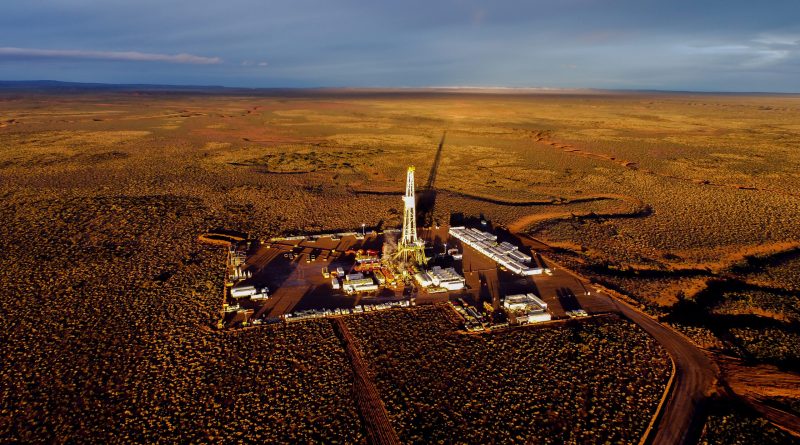
Hydraulic fracturing near American Indian reservations has raised urgent concerns about environmental degradation, public health, and its role in intensifying gender-based violence against Indigenous women. This policy analysis examines the intersection between fracking, extractive-industry “boomtown” dynamics, and the crisis of Missing and Murdered Indigenous Women (MMIW) in the United States.
Drawing on empirical evidence, legal analysis, and economic theory, the analysis documents how transient workforces and jurisdictional gaps surrounding extraction sites contribute to elevated risks of sexual assault, trafficking, and homicide in tribal communities. Using Becker’s economic model of crime, the analysis conceptualizes fracking near reservations as a criminogenic environment in which weak enforcement and fragmented authority lower the expected cost of offending. While acknowledging the short-term economic benefits that extraction can generate for some tribal governments, the analysis argues that the long-run social costs, violence, environmental harm, intergenerational trauma, and erosion of sovereignty outweigh these gains. The paper evaluates existing policy interventions, including the Violence Against Women Act, environmental setback regulations, and emerging tribal-led exclusion zones, and assesses their effectiveness in mitigating harm. It concludes that banning or strictly regulating fracking near American Indian reservations, alongside strengthening tribal jurisdiction and investing in sustainable energy alternatives, represents an economically efficient, ethically grounded, and justice-oriented policy response aligned with the federal trust responsibility to protect Indigenous communities.